
A comprehensive smile overhaul is a profound journey that merges advanced oral medicine with artistic engineering. When an individual suffers from extensive tooth decay, widespread structural damage, tooth loss, or chronic jaw misalignment, standard superficial fixes are rarely sufficient. Instead, a systemic approach is required to rebuild the oral cavity from the ground up. This detailed process stabilizes the oral environment, reinforces the skeletal foundations, corrects mechanical movement, and ultimately enhances visual aesthetics. Understanding the multi-phased path of full mouth rehabilitation helps individuals approach their treatment with realistic expectations regarding clinical milestones, time investments, and financial responsibilities.
Understanding Full Mouth Reconstruction
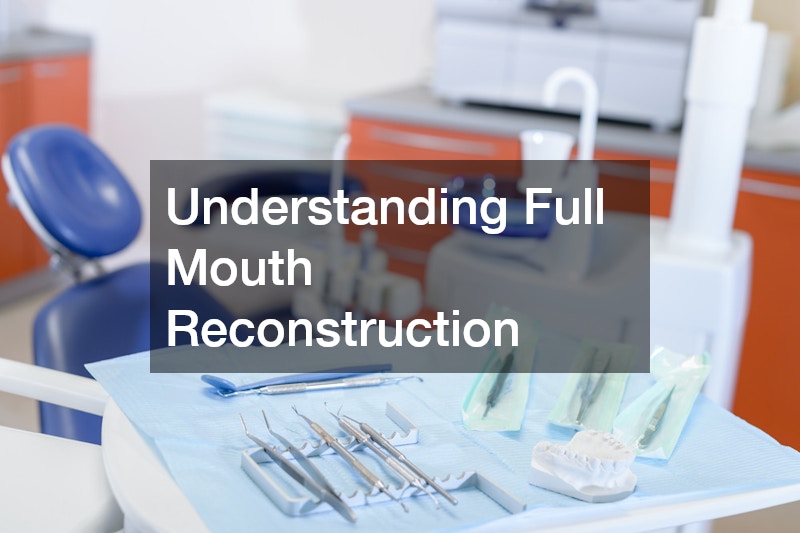
The path toward complete oral rehabilitation begins with a shift in perspective. A comprehensive smile reconstruction is not a singular procedure, but rather a carefully orchestrated sequence of specialized dental interventions. This approach treats the mouth as an integrated ecosystem where the teeth, gums, jawbones, and neuromuscular system must all coexist in perfect harmony. Individuals who require this level of care often present with a combination of interconnected issues, such as severely worn enamel from years of subconscious grinding, multiple missing teeth, advanced periodontal issues, and persistent joint discomfort. Addressing only one of these issues while ignoring the others virtually guarantees that any new restoration will fail prematurely due to unbalanced mechanical stress.
The initial stage of this journey takes place during an exhaustive evaluation inside a modern dental office. During this foundational appointment, clinical teams gather an array of diagnostic data to map out the entire oral landscape. Advanced diagnostics typically involve three-dimensional cone-beam computed tomography scans, digital intraoral impressions, digital photographs from multiple angles, and precise measurements of the jaw joints. This wealth of information allows the clinical team to analyze the current state of oral health and simulate the desired final outcomes before any physical intervention occurs.
Every smile reconstruction plan is entirely customized. A highly trained dentist reviews the diagnostic data to identify which structures can be salvaged and which require replacement. This assessment considers not only the teeth themselves but also the surrounding soft tissues and the underlying bone density. By evaluating how the upper and lower arches meet during chewing and speaking, the practitioner can design a blueprint that prevents future structural failures. This phase ensures that the final results will be both functionally sound and long-lasting.
Building a Solid Architectural Foundation
Just as a durable building requires a stable structural foundation, a successful smile reconstruction depends entirely on the health of the underlying supportive tissues. Attempting to place premium restorations on a compromised foundation is a primary cause of dental treatment failure. If an individual has active periodontal disease, chronic soft tissue infections, or significant bone loss, these issues must be fully resolved before any restorative work can begin. This initial phase focuses on eliminating harmful bacteria, stabilizing the gums, and restoring structural integrity to the jawbone.
For individuals who have experienced long-term tooth loss or severe periodontal infections, the surrounding jawbone naturally begins to deteriorate over time. When a tooth is missing, the bone tissue loses the vital mechanical stimulation it needs to maintain its volume and density. In these scenarios, a surgical intervention known as dental bone grafting is performed to replenish the missing skeletal architecture. This procedure introduces specialized bone matrices to the areas of depletion, prompting the human body to generate new, healthy bone cells over several months.
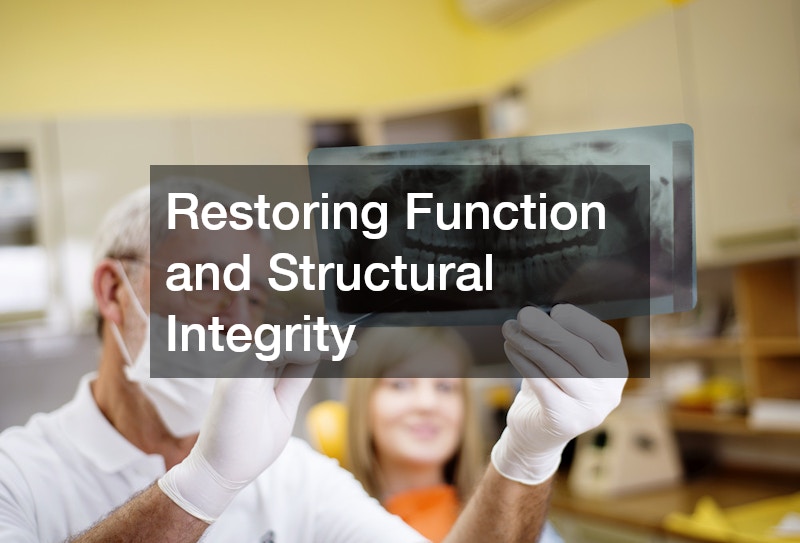
The healing period for foundational surgeries demands patience, as biological processes cannot be rushed. It typically takes anywhere from three to six months for bone grafts to fully integrate with the existing jaw structure through the natural process of osseointegration. During this recovery period, the clinical team monitors the patient’s progress using digital imaging to ensure the site is developing the strength required to support future dental implants or heavy bridge restorations. This preparatory phase ensures the long-term success of the upcoming restorative and cosmetic stages.
Restoring Function and Structural Integrity
Once the foundational bone and soft tissues are completely healthy, the focus shifts toward repairing individual teeth that have suffered severe damage but remain viable. Salvaging natural teeth whenever possible is a core principle of modern restorative care, as natural roots provide unique feedback to the nervous system during chewing. Teeth with deep decay, extensive fractures, or large, failing historical restorations must be structurally reinforced to withstand daily mechanical forces.
To achieve this necessary structural reinforcement, clinicians rely heavily on custom-made dental crowns. These tooth-shaped caps are meticulously engineered to completely cover the visible portion of a compromised tooth, restoring its original size, shape, and physical strength. Modern clinical practices utilize exceptionally durable materials such as high-translucency zirconia and lithium disilicate, which mimic the light-reflecting properties of natural enamel while offering incredible resistance to chipping and cracking under heavy bite pressures.
In many comprehensive reconstructions, the physical position of the remaining teeth must be adjusted to create the space necessary for these permanent restorations. When teeth are severely crowded, rotated, or tilted into the spaces left by missing teeth, an orthodontic phase becomes necessary. Utilizing advanced digital planning software, systems like Invisalign allow practitioners to precisely map out minor or major tooth movements well in advance. Correcting the alignment of the remaining natural teeth ensures that future restorations can be placed in their optimal positions, preventing unnatural wear patterns and making daily hygiene maintenance far easier for the patient.
Harmonizing the Bite and Jaw Alignment
A common error in extensive dental work is focusing exclusively on the appearance of the teeth while ignoring how the jaw actually moves. The human bite is guided by a complex network of muscles, ligaments, and the temporomandibular joints. If the teeth are restored to a height or position that conflicts with the natural resting path of the jaw, the patient will likely experience chronic muscular fatigue, facial pain, and accelerated wear on their brand-new restorations. Therefore, achieving a perfectly balanced bite is essential to the longevity of a full mouth reconstruction.
When a patient exhibits signs of severe bite instability, such as frequent clicking in the jaw joints, restricted movement, or chronic tension headaches, the expertise of a trained TMJ dentist becomes central to the treatment roadmap. This specialized clinician uses advanced neuromuscular tracking technology to identify the exact position where the jaw muscles are completely relaxed and the joints are under the least amount of stress. By establishing this optimal orthopedic baseline, the clinical team can design the rest of the restorations to support, rather than disrupt, this ideal alignment.
Achieving this harmonious jaw relationship often involves an interim phase of orthodontic guidance or orthotic therapy. To gently guide the dental arches into this newly discovered, therapeutic relationship without resorting to highly visible metal brackets, clinicians frequently prescribe clear aligners. These removable, transparent trays apply subtle, continuous pressure to reposition the teeth into alignment with the relaxed path of the jaw joints. This phase bridges the gap between foundational health and final cosmetic engineering, ensuring that the patient’s new smile feels as comfortable as it looks.
Designing the Aesthetic Finish
With the foundational bone stabilized, the damaged teeth reinforced, and the bite mechanics balanced, the smile reconstruction enters its final stage. This is the phase where clinical science meets aesthetic artistry. While the previous steps focused entirely on health, stability, and function, this final step focuses on creating a beautiful, natural-looking appearance that complements the individual’s unique facial features, lip line, and skin tone.
This highly detailed aesthetic phase is handled by skilled cosmetic dentists who analyze the visual proportions of the smile. These practitioners evaluate the symmetry of the teeth, the amount of gum tissue visible when smiling, and the overall color harmony of the mouth. To fix issues like minor chips, persistent internal staining, or irregular tooth shapes on the teeth that do not require full coverage crowns, thin custom porcelain veneers are carefully bonded to the front surfaces of the enamel to create a seamless, youthful appearance.
To ensure that the final result looks completely cohesive, any natural teeth that do not require coverage are typically enhanced before the final porcelain restorations are permanently cemented. Performing a professional round of teeth whitening allows the clinician to lift deep stains from the natural enamel, creating a brighter, refreshed baseline color. The laboratory technicians then match the shade of the new permanent crowns and veneers to this updated, brighter baseline. This careful color coordination prevents any mismatch between the artificial restorations and natural teeth, resulting in a vibrant, believable smile.
The Reconstruction Timeline: What to Expect
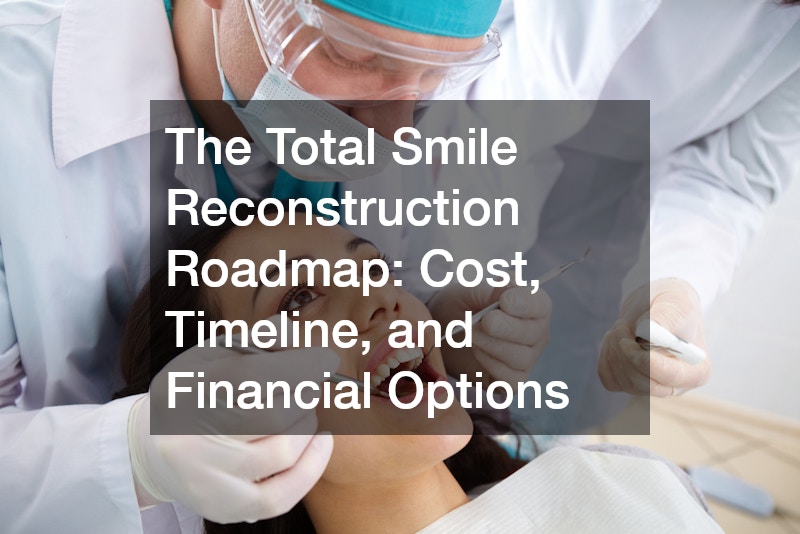
A total smile reconstruction is a journey that requires a significant commitment of time. Because the process relies on biological healing, tissue integration, and precise laboratory fabrication, it cannot be completed in a few short appointments. A typical full mouth rehabilitation can span anywhere from four months to well over a year, depending on the complexity of the case and whether bone healing or orthodontic movement is required. Understanding this chronological progression helps patients stay engaged and motivated throughout their transformation.
The process begins with the diagnostic and stabilization phase, which usually takes two to four weeks. During this time, the dental team treats active infections, performs deep cleanings, and gathers the digital data required to engineer the master plan. If surgical interventions like bone grafting or implant placements are necessary, the timeline extends by three to six months to allow the bone to heal and strengthen. During these healing intervals, patients wear high-quality provisional restorations so they can comfortably chew, speak, and smile without anyone realizing they are in the middle of major dental work.
Following the foundational healing, any necessary orthodontic alignment can add another three to nine months to the timeline. Once the teeth are in their correct positions, the final restorative phase takes about four to six weeks. This involves preparing the teeth, capturing final digital scans, sending instructions to the dental laboratory, and precisely bonding the permanent porcelain work. While this timeline requires patience, breaking the treatment down into logical, measured steps is the only proven way to achieve a predictable, comfortable, and permanent result.
Financial Options, Insurance, and Smart Planning

Given the comprehensive nature of full mouth reconstruction, the financial investment can be substantial. Total costs vary widely based on the number of teeth involved, the types of materials chosen, and the necessity of preliminary surgical or orthodontic steps. Because these treatments involve a blend of restorative necessity and elective aesthetic enhancements, navigating insurance coverage requires careful planning and strategic coordination.
Standard employer-sponsored dental insurance plans often provide partial coverage for functional necessities like crowns, extractions, or bone grafts, but they typically exclude purely cosmetic treatments or advanced adult orthodontics. For older adults or individuals qualifying for specific government assistance, locating a participating Medicare dentist is an important step. While traditional Medicare plans do not cover routine or extensive dental work, certain advanced Medicare Advantage plans offer specialized dental allowances that can help cover a portion of the foundational or medically necessary oral surgery procedures.
To make this significant investment manageable, modern dental offices offer several flexible financing pathways. Many practices partner with reputable third-party healthcare financing companies that offer low-interest or interest-free monthly payment plans, allowing patients to spread the cost over several years. Additionally, utilizing pre-tax dollars from Health Savings Accounts or Flexible Spending Accounts can provide significant tax savings. Phased treatment planning across multiple calendar years can also maximize annual insurance benefits and manage out-of-pocket expenses without compromising care.
Embracing the Transformation
Investing in a full mouth rehabilitation is about far more than just updating the appearance of a smile. It is a comprehensive restoration of an individual’s quality of life. Chronic discomfort, chewing difficulties, and missing teeth profoundly impact physical health, nutritional choices, and social confidence. By systematically addressing structural weaknesses, correcting bite mechanics, and finishing with advanced aesthetic techniques, this comprehensive care provides a permanent solution to long-standing health challenges.
The key to a successful transformation lies in partnering with an experienced clinical team that prioritizes open communication, meticulous planning, and patient comfort. While the roadmap requires a significant investment of time, patience, and financial resources, the rewards are undeniable. A fully reconstructed smile provides a reliable, pain-free bite, excellent oral health, and a beautiful appearance that can last for decades. With a clear understanding of the steps involved, individuals can confidently move forward along the path to oral health and renewed self-assurance.