
Key Takeaways:
- Fear of implant pain usually comes from outdated stories and old-school dentistry, not how the procedure actually works today.
- Local anesthesia (and other sedation options if needed) means you shouldn’t feel sharp pain during the actual placement — just pressure or vibration at most.
- The first 24 to 48 hours after surgery are the most uncomfortable, with swelling and tenderness that steadily improve within a week.
- Most patients compare implant discomfort to a tooth extraction, and many find it milder than expected, especially versus wisdom tooth removal or a root canal.
- Simple aftercare steps — ice packs, soft foods, avoiding tobacco, and taking pain relief on schedule — make a real difference in how smoothly recovery goes.
- Pain levels vary based on factors like how many implants are placed, whether bone grafting is needed, and your provider’s skill and experience.
- Worsening pain, increasing swelling, fever, or discharge after several days aren’t normal and should prompt a quick call to your dentist.
If you’ve been putting off getting a dental implant because you’re picturing some kind of medieval torture session, you’re definitely not alone. The fear of pain is probably the number one reason people delay implant surgery for years, sometimes even decades, while dealing with missing teeth, bone loss, and all the daily frustrations that come with it. But here’s the thing: most of what people “know” about implant pain is based on outdated stories, secondhand horror tales, or just plain misinformation. Let’s dig into what actually happens, what you’ll really feel, and why the fear is usually way bigger than the reality.
Why Everyone Assumes Dental Implants Are Painful

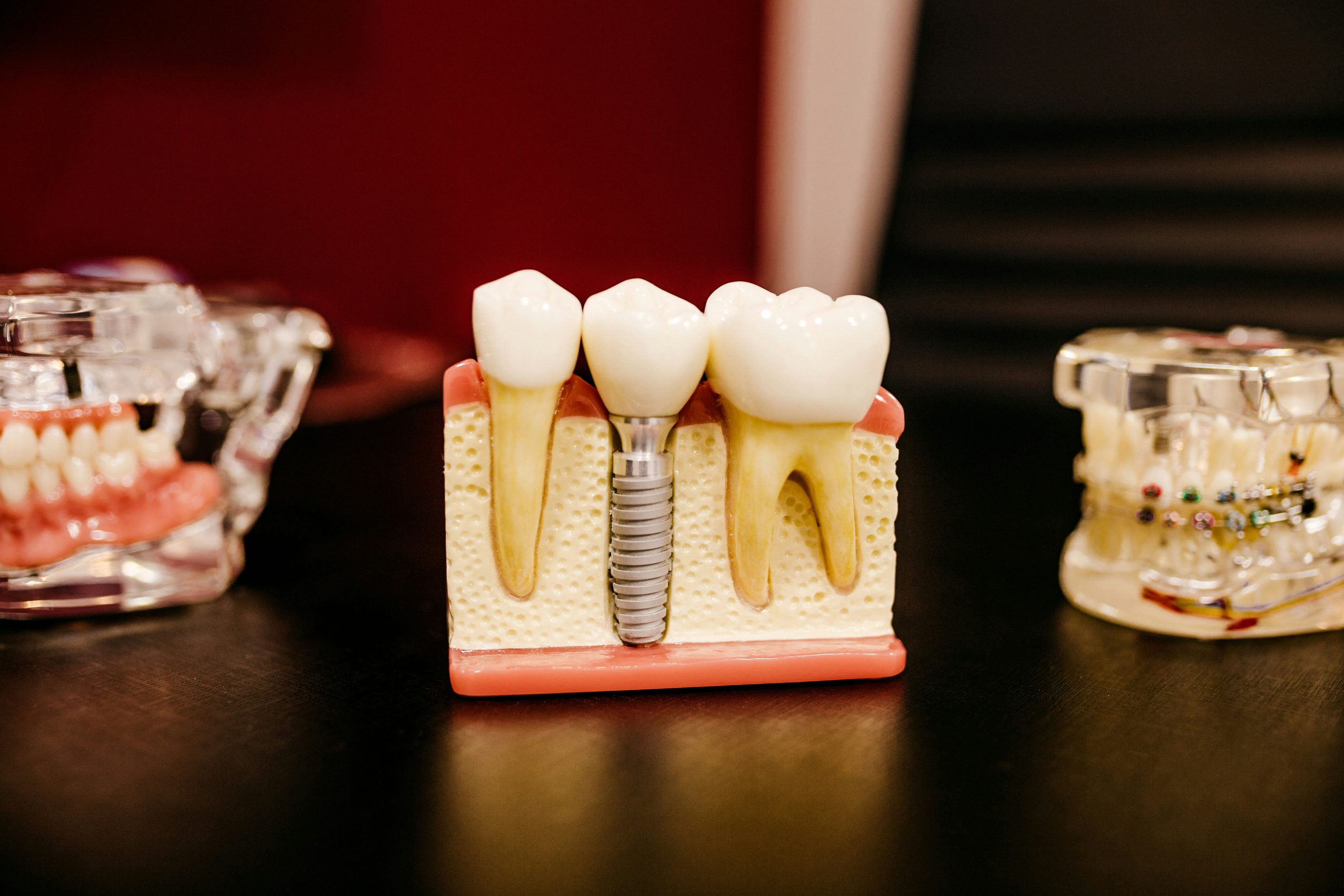
It’s easy to see where the fear comes from. Dental implants involve a titanium post being placed directly into your jawbone, so on paper it sounds intense. Add in decades of dental horror movies, that one cousin who had a “terrible” experience in the 90s, and old-school dentistry that really was rougher around the edges, and you’ve got a perfect recipe for anxiety. The truth is that dental technology has changed dramatically. Older techniques, weaker anesthetics, and less precise imaging used to make oral surgery a genuinely uncomfortable experience. Today’s implant procedures are a completely different ballgame. Most patients are shocked at how manageable the whole thing feels, especially compared to what they had built up in their heads beforehand. There’s also a psychological piece here. Pain expectation actually changes how we experience pain. If you walk into a procedure convinced it’s going to be agonizing, your brain is primed to interpret even mild sensations as painful. Understanding the real process ahead of time can genuinely make the experience feel less intense.
What Actually Happens During the Procedure
Here’s a simplified breakdown of what a typical implant placement looks like:
- Your dentist or oral surgeon numbs the area completely using local anesthesia, so you won’t feel sharp pain during the procedure itself.
- A small incision is made in the gum tissue to expose the jawbone.
- A precise hole is drilled into the bone using specialized instruments.
- The titanium implant post is carefully placed into that space.
- The gum tissue is closed around or over the implant, depending on the specific technique used. The entire appointment for a single implant usually takes somewhere between one and two hours. During that time, you shouldn’t feel pain, though you may feel pressure, vibration, or movement. That’s a completely normal sensation and isn’t the same thing as pain. Think of it like the pressure you feel when someone pushes on your arm versus the sharp sting of a cut. Your nerves register that something is happening, but the pain receptors themselves are blocked by the anesthesia.
The Role of Anesthesia and Sedation
This is really the heart of why implants aren’t the ordeal people imagine. Modern dentistry offers several levels of pain management, and your dentist will help you choose the right one based on your anxiety level, the complexity of your case, and your personal preference.
- Local anesthesia numbs only the specific area being worked on. You’re fully awake and aware, but you won’t feel pain at the surgical site.
- Nitrous oxide (laughing gas) helps take the edge off anxiety while keeping you conscious and able to respond.
- Oral conscious sedation involves taking a pill before your appointment that leaves you relaxed, a little drowsy, and with very little memory of the procedure afterward.
- IV sedation puts you into a deeper relaxed state, often used for more involved cases like multiple implants or bone grafting.
- General anesthesia is reserved for more complex surgical cases and puts you completely asleep. Most single implant procedures only require local anesthesia, sometimes paired with nitrous oxide for anxious patients. The days of gritting your teeth through a procedure are long gone. If anxiety is your main concern rather than pain itself, it’s worth having an honest conversation with your dentist about sedation options before your appointment date.
What Recovery Really Feels Like
This is usually where the real questions come in, since the numbing wears off eventually. Here’s an honest look at what the days following surgery tend to feel like:
- The first 24 to 48 hours are typically the most uncomfortable, with mild to moderate swelling, some tenderness at the implant site, and possibly minor bruising on the cheek or gum.
- Days two through four usually show noticeable improvement, with discomfort gradually decreasing and swelling starting to go down.
- By the end of the first week, most people report feeling back to normal, aside from some lingering sensitivity when chewing directly on that spot.
- Full bone integration, called osseointegration, takes several months, but this part of the process isn’t painful. It’s simply the bone gradually fusing around the implant post. Most patients describe the discomfort level as similar to a tooth extraction, sometimes even milder. Over-the-counter pain relievers like ibuprofen are often enough to manage it, though your dentist may prescribe something stronger for the first couple of days if needed. Applying ice to the outside of your cheek during the first day and sticking to soft foods can make a noticeable difference in how you feel.
Comparing Implant Pain to Other Dental Procedures
It helps to put implant discomfort into context. Here’s how it generally stacks up against other common dental work people are already familiar with:
- Tooth extractions: Similar or slightly less discomfort than implants in many cases, since implants involve a more controlled surgical approach.
- Root canals: Often reported as more uncomfortable during recovery because of the inflammation involved, though this varies a lot by individual.
- Wisdom tooth removal: Generally more painful and swelling-prone than a single implant placement, especially with impacted teeth.
- Routine fillings: Less invasive, obviously, but many people find the sound and vibration of the drill more anxiety-inducing than actual implant surgery. Dentists frequently hear patients say their implant recovery was easier than they expected, especially those who had already been through an extraction or root canal beforehand. Having that comparison point tends to ease a lot of nerves going in.
Factors That Influence How Much Discomfort You Feel
Not everyone has the exact same experience, and that’s completely normal. Several things can affect your personal pain level:
- Number of implants placed — a single implant tends to be far less involved than a full-mouth restoration.
- Whether bone grafting is needed — if your jawbone needs to be built up first, that adds a healing phase with its own recovery timeline.
- Your individual pain tolerance — this varies person to person and isn’t something to feel embarrassed about.
- The skill and experience of your dentist or oral surgeon — a more experienced provider often means a smoother, more efficient procedure with less tissue trauma.
- Your overall health and habits — smokers, for example, tend to experience slower healing and sometimes more discomfort.
- How closely you follow post-op instructions — skipping ice packs, eating hard foods too soon, or missing medication doses can all extend discomfort unnecessarily. Advances in digital imaging, guided surgery, and materials science represent the future of dentistry, and they’re a big part of why implant procedures have become so much more predictable and comfortable than they used to be. Precision planning means less guesswork, smaller incisions, and shorter procedure times, all of which add up to an easier recovery.
Tips to Minimize Pain and Speed Up Healing

There’s a lot you can do on your end to make the whole process go more smoothly:
- Stick to soft foods like yogurt, mashed potatoes, scrambled eggs, and smoothies for the first few days.
- Avoid hot beverages and spicy foods, which can irritate the surgical site.
- Use an ice pack in 15-to-20-minute intervals during the first 24 hours to control swelling.
- Take pain medication before the numbness fully wears off, rather than waiting until you’re already uncomfortable.
- Avoid smoking or using tobacco products, since they significantly slow healing and increase complication risk.
- Rinse gently with warm salt water starting a day or two after surgery, unless your dentist advises otherwise.
- Skip strenuous exercise for a few days, since increased blood flow and pressure can worsen swelling.
- Sleep with your head slightly elevated for the first couple of nights to help reduce swelling. None of these steps are complicated, but sticking to them consistently makes a real difference in how quickly and comfortably you bounce back.
When to Worry: Signs Something Isn’t Right
While most implant recoveries go smoothly, it’s worth knowing the difference between normal healing discomfort and something that needs attention. Reach out to your dentist if you notice:
- Pain that gets progressively worse after the third or fourth day instead of improving.
- Swelling that continues to increase rather than gradually going down.
- A fever or general feeling of being unwell.
- Pus, unusual discharge, or a bad taste coming from the implant site.
- The implant feeling loose or shifting. These situations are uncommon, but catching them early makes treatment much simpler. A quick call to your dental office is always the right move if something feels off, rather than waiting it out and hoping it resolves on its own.
The Bottom Line on Implant Discomfort
When you strip away the myths and look at what patients actually experience, dental implants come out looking a lot less scary than their reputation suggests. The procedure itself is done under anesthesia, so pain during placement simply isn’t part of the equation. Recovery involves manageable soreness and swelling for a few days, comparable to what you’d feel after a tooth extraction, and it steadily improves from there. If fear of pain has been the thing standing between you and a fuller, more confident smile, it might be worth having a conversation with a dental professional about what your specific case would actually involve. Chances are, the reality will look a lot more manageable than the story you’ve been telling yourself.