
What are the Different Kinds of Dental Implants?
Dental implants have become one of the most effective and long-lasting solutions for replacing missing teeth. As more people seek ways to restore both the function and aesthetics of their smiles, understanding the different types of dental implants is essential. Each option is designed for specific dental needs, bone conditions, and patient preferences, allowing for a highly personalized approach to treatment.
Main Types of Dental Implants
Endosteal Implants
These are the most common type of dental implant and are typically made of titanium. They are surgically placed directly into the jawbone, where they act as artificial roots for replacement teeth. Once the surrounding bone heals and fuses with the implant, a crown or bridge is attached, providing a strong and natural-looking restoration. Endosteal implants are best suited for patients with healthy jawbone density.
Subperiosteal Implants
Unlike endosteal implants, subperiosteal implants rest on top of the jawbone but beneath the gum tissue. They consist of a metal framework that holds the prosthetic tooth in place. This type of implant is ideal for patients who do not have enough healthy bone and prefer to avoid bone grafting procedures.
Zygomatic Implants
Zygomatic implants are a specialized option used when the upper jaw lacks sufficient bone for traditional implants. Instead of anchoring into the jawbone, these implants are placed into the cheekbone (zygoma), which provides a secure foundation. They are often used for complex cases and can eliminate the need for bone grafting in the upper jaw.
Mini Dental Implants
Mini implants are smaller in diameter than standard implants, making them a good option for patients with minimal bone density or those needing to stabilize dentures. They require less invasive surgery, heal faster, and are often more affordable while still providing stability and functionality.
All-on-4 Dental Implants
The All-on-4 technique involves placing four strategically angled implants to support a full arch of teeth. This method offers a fixed and durable solution for patients missing most or all of their teeth. It reduces treatment time, eliminates the need for bone grafting in many cases, and provides immediate results with a natural look and feel.
How to Know Which Implant Type is Right for You
Consultation with a Dental Professional
Choosing the right implant begins with an in-depth consultation. A qualified dental professional evaluates your oral health, bone condition, and overall medical history to recommend the most suitable option.
Bone Health Assessment
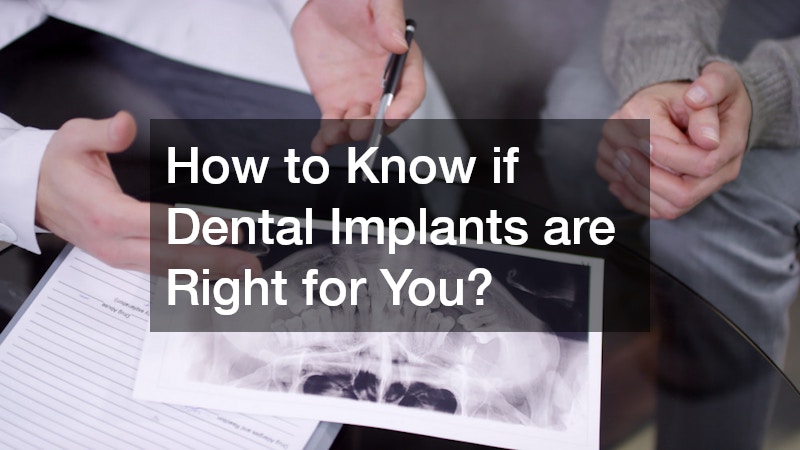
Bone density plays a crucial role in determining implant success. X-rays and 3D scans help assess whether you have enough bone to support an implant or if additional procedures like bone grafting are necessary.
Personal Health Considerations
Certain medical conditions—such as diabetes, gum disease, or autoimmune disorders—may affect healing and implant integration. It’s essential to discuss your health background to ensure the best outcome.
Lifestyle and Implant Choices
Smoking, diet, and oral hygiene habits can influence which implant is most appropriate. Active smokers or individuals with poor oral hygiene may need to take additional precautions before proceeding.
Longevity and Maintenance
Each implant type requires varying levels of care. Regular dental checkups, proper brushing, and avoiding hard foods will help extend the lifespan of your implants.
The Dental Implant Procedure
Initial Consultation and Planning
The process begins with a detailed evaluation, digital imaging, and treatment planning to ensure accurate placement and aesthetic results.
Surgical Procedure
During surgery, the dentist places the implant into or onto the bone under local anesthesia. The procedure typically lasts one to two hours per implant.
Post-Surgery Care
After surgery, patients are advised to maintain gentle oral hygiene, follow dietary restrictions, and take prescribed medications to aid healing and reduce discomfort.
Healing Period
It can take several months for the bone to fuse with the implant in a process called osseointegration. This step ensures a stable foundation for the crown.
Final Crown Placement
Once healing is complete, a custom crown, bridge, or denture is attached to the implant. The final restoration blends seamlessly with natural teeth, restoring full function and aesthetics.
Potential Risks and Benefits of Dental Implants
Benefits of Dental Implants
Implants restore natural appearance, improve speech and chewing, prevent bone loss, and support overall oral health. They also eliminate the discomfort and maintenance issues often associated with dentures.
Common Risks Involved
As with any surgery, there are risks such as infection, implant failure, or nerve damage. However, these are rare when performed by an experienced professional.
Mitigating Risks
Following pre- and post-operative care instructions, maintaining excellent oral hygiene, and attending regular checkups significantly reduce complications.
Long-Term Success Rates
Dental implants boast a success rate of over 95% in most cases, especially when patients adhere to recommended care practices.
Patient Experiences
Most patients report improved confidence, comfort, and quality of life after receiving dental implants. Testimonials often highlight the natural feel and durability of the results.
Dental implants offer a life-changing solution for those seeking to restore missing teeth with strength, comfort, and confidence. With several types available—from traditional endosteal to advanced zygomatic or All-on-4 systems—patients can find an option tailored to their needs. Consulting with a qualified dentist and understanding personal health and lifestyle factors are key to achieving lasting success and a beautiful smile.