
Understanding Whether Dental Implants Are the Right Choice for You
Missing teeth can affect more than just your smile. They can change how you eat, speak, and feel about your appearance. If you’ve been researching tooth replacement options, you’ve likely come across dental implants as a long-term solution. But how do you know if they’re the right choice for your specific needs?
Choosing the best treatment depends on several factors, including your oral health, lifestyle, and long-term goals. By understanding how implants work and what makes someone a good candidate, you can make a confident and informed decision.
What Are Dental Implants?
Dental implants are artificial tooth roots made of biocompatible materials, typically titanium. They are surgically placed into the jawbone, where they fuse with the bone over time. This process creates a stable foundation for a crown, bridge, or even full-arch replacement teeth.
Unlike traditional dentures or bridges, implants are designed to function like natural teeth. They do not rely on neighboring teeth for support, and they help preserve jawbone density by stimulating the bone just like natural tooth roots.
Signs You May Be a Good Candidate
Not everyone automatically qualifies for dental implants, but many people are surprised to learn they are eligible.
You Have One or More Missing Teeth
If you are missing a single tooth, several teeth, or even all of your teeth, implants may be an effective solution. They can replace individual teeth with crowns, support bridges for multiple missing teeth, or anchor full-arch restorations for complete tooth loss.
You Have Healthy Gums
Healthy gum tissue is essential for implant success. If you have active gum disease, it will need to be treated before moving forward. A dental professional will evaluate your gum health and recommend any necessary treatments prior to implant placement.
You Have Adequate Jawbone Density
Because implants fuse directly with the jawbone, there must be enough bone to support them. If bone loss has occurred due to missing teeth or periodontal disease, a bone graft may be recommended. Modern techniques make it possible for many patients with bone loss to still receive implants after preparatory procedures.
You Are in Good Overall Health
Certain medical conditions, such as uncontrolled diabetes or immune disorders, may affect healing. While these conditions do not automatically disqualify you, they may require additional evaluation. Being in generally good health supports proper healing and long-term implant success.
Situations That May Require Special Consideration
While many adults are candidates for dental implants, some situations call for a more detailed assessment.
You Smoke
Smoking can interfere with the healing process and increase the risk of implant failure. If you are a smoker, your dentist may recommend reducing or quitting before undergoing implant surgery to improve your chances of success.
You Grind Your Teeth
Chronic teeth grinding, also known as bruxism, places excessive pressure on restorations. This does not mean implants are off the table, but protective measures such as a custom night guard may be necessary to protect your investment.
You Have Been Missing Teeth for a Long Time
Long-term tooth loss often leads to bone resorption. However, advancements in bone grafting and implant technology mean that even patients who have been without teeth for years may still qualify after proper evaluation and preparation.
Comparing Implants to Other Tooth Replacement Options
Understanding how implants differ from other solutions can help clarify whether they align with your goals.
Stability and Comfort
Traditional dentures can shift or slip, especially while eating or speaking. Implants are anchored securely in the jawbone, offering stability that feels more like natural teeth. This can significantly improve confidence and daily comfort.
Longevity
Bridges and dentures may need to be replaced every several years. With proper care, dental implants can last decades. Many patients view them as a long-term investment in their oral health.
Bone Preservation
When a tooth is lost, the jawbone in that area begins to shrink over time. Dentures and bridges do not prevent this process. Implants stimulate the bone, helping maintain facial structure and preventing the sunken appearance that can develop with prolonged tooth loss.
Questions to Ask Yourself
Deciding on implants is a personal choice. Asking yourself a few important questions can provide clarity.
Are You Looking for a Long-Term Solution?
If you want a durable, stable replacement that closely mimics natural teeth, implants may align with your goals. They are designed to be a permanent solution rather than a temporary fix.
Are You Willing to Undergo a Surgical Procedure?
Implant placement is a minor surgical procedure. While it is typically performed under local anesthesia and is well tolerated, it does require healing time. Being comfortable with the surgical aspect is an important part of the decision-making process.
Are You Committed to Good Oral Hygiene?
Just like natural teeth, implants require regular brushing, flossing, and dental visits. Maintaining good oral hygiene is essential to prevent complications and ensure long-term success.
The Importance of a Professional Evaluation
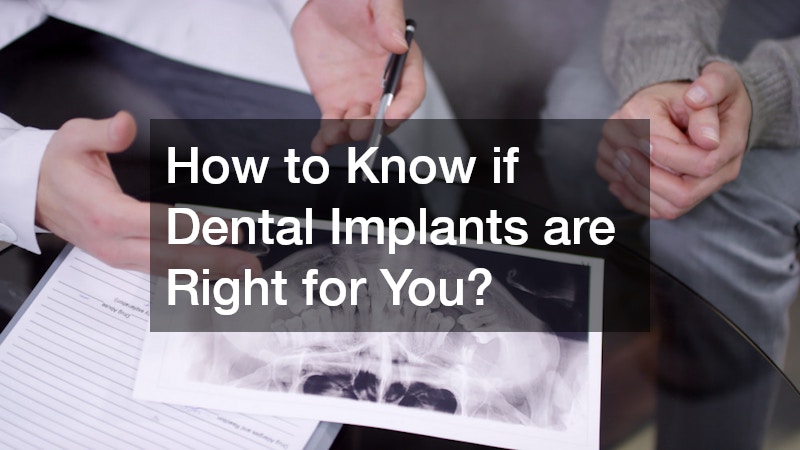
The only way to determine definitively whether dental implants are right for you is through a comprehensive dental evaluation. During this appointment, your dentist will:
-
Examine your teeth and gums
-
Take digital X-rays or three-dimensional scans
-
Assess bone density and structure
-
Review your medical history
-
Discuss your goals and expectations
This personalized approach ensures that any underlying issues are addressed and that your treatment plan is tailored to your unique needs.
What to Expect from the Process
Understanding the general timeline can also help you decide if implants fit your lifestyle.
After the implant is placed, a healing period allows it to fuse with the bone. This process, called osseointegration, can take several months. Once healing is complete, a custom crown, bridge, or denture is attached.
While the process requires patience, many patients find the results well worth the wait due to the comfort, function, and natural appearance implants provide.
Making the Right Decision for Your Smile
Choosing how to replace missing teeth is an important decision that impacts your health, confidence, and daily life. Dental implants offer durability, stability, and aesthetic appeal that closely replicate natural teeth. However, the right choice depends on your oral health, medical history, and personal preferences.
By consulting with a qualified dental professional and carefully considering your goals, you can determine whether implants are the solution that best supports your long-term oral health and overall well-being.