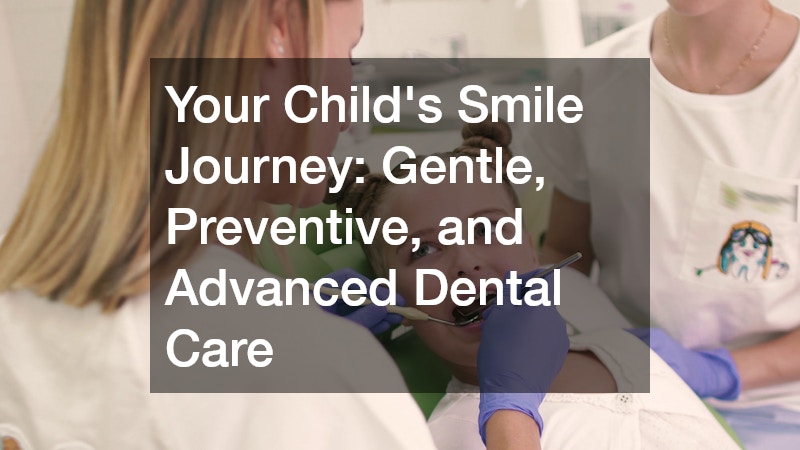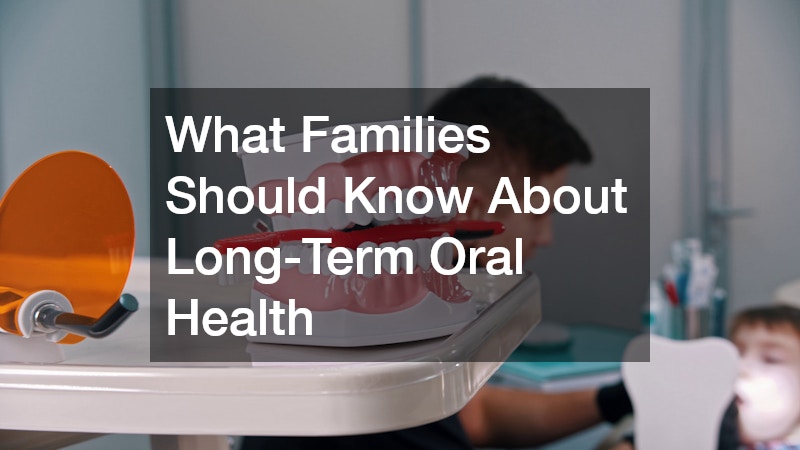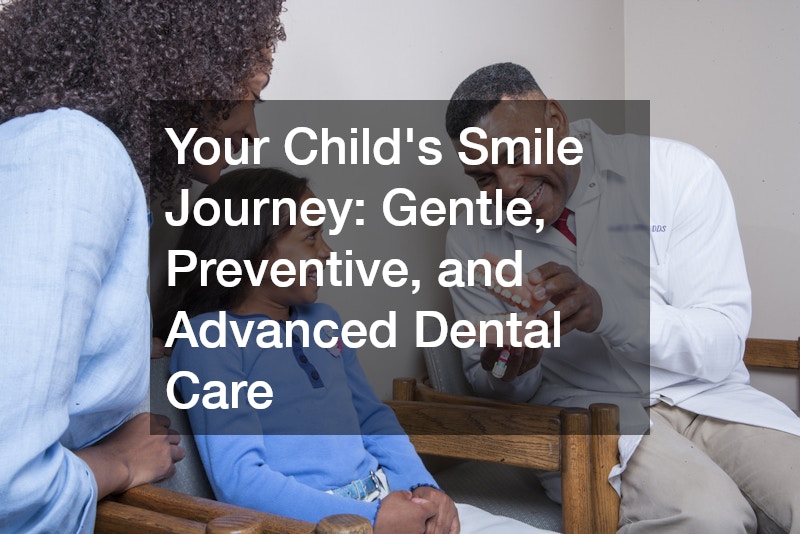

Every parent wants their child to have a bright, confident smile that lasts a lifetime. A child’s oral health journey begins long before the first tooth appears and continues through adolescence into adulthood. Good dental habits established early can prevent painful problems later, while timely interventions can address issues gently and effectively. Children’s teeth and mouths are different from adults’—smaller, more delicate, and still developing—which is why their care requires a thoughtful, patient-centered approach that prioritizes comfort, trust, and long-term wellness.
This journey combines everyday home routines with professional visits that range from simple cleanings to more specialized treatments when needed. The goal is always the same: to make dental experiences positive, reduce anxiety, and protect developing smiles. By understanding the full spectrum of available options—from routine maintenance to advanced procedures—parents can feel empowered to make the best choices for their children. This guide walks through each stage of that journey, offering practical insights to help you support your child every step of the way.
Choosing the Right Specialist for Young Smiles
Pediatric dentistry focuses exclusively on the oral health of infants, children, teens, and patients with unique developmental needs. These specialists complete two to three additional years of training after dental school, learning how to manage growing mouths, behavior guidance techniques, and growth-related concerns.
Children often feel nervous in new environments, so practitioners trained in pediatric dentistry excel at creating a welcoming atmosphere. They use child-friendly language, smaller instruments, and offices designed with bright colors and distractions like toys or televisions. This specialized approach helps build trust from the very first visit.
Early visits—recommended by age one or within six months of the first tooth—allow the dentist to monitor development and catch potential issues before they become serious. Regular checkups every six months establish a comfortable routine and familiarize children with the office setting.
Parents benefit too. These visits provide guidance on teething, pacifier use, thumb-sucking habits, and injury prevention. Establishing a dental home early makes future care smoother and less stressful for everyone.
Building Strong Habits Through Daily and Professional Routines
Preventive dental care forms the cornerstone of lifelong oral health. It includes both at-home practices and professional interventions designed to stop problems before they start.
Daily brushing and flossing remove plaque, while a balanced diet low in sugary snacks and drinks reduces acid attacks on enamel. Professional preventive measures add extra protection:
- Fluoride treatments strengthen enamel and reverse early decay.
- Dental sealants create a thin protective barrier on the chewing surfaces of molars, where cavities often begin.
- Regular cleanings remove hardened plaque (tartar) that brushing misses.
- X-rays (taken sparingly) monitor development beneath the gums.
These steps dramatically lower the risk of cavities and gum issues. Studies show that children who receive regular fluoride applications and sealants have significantly fewer restorations needed later.
Parents can reinforce prevention by modeling good habits, supervising brushing until around age eight, and scheduling consistent checkups. When prevention is prioritized, many children reach adulthood with minimal or no restorative work.
Restoring Small Smiles After Decay Appears
Even with excellent home care, cavities can sometimes develop in children’s teeth. When decay is caught early, dental fillings offer a straightforward way to stop progression and restore function.
Modern filling materials are tooth-colored composite resins that blend naturally with surrounding enamel. The procedure is quick: the dentist removes the decayed area, cleans the cavity, and places the filling material, which hardens under a special light. Numbing gel and local anesthetic keep discomfort minimal.
For more extensive decay that reaches deeper layers or compromises tooth structure, dental crowns provide durable protection. Stainless steel crowns are commonly used on baby molars because they are strong, cost-effective, and withstand heavy chewing forces. For front teeth or permanent molars, tooth-colored zirconia or porcelain-fused-to-metal crowns offer excellent aesthetics.
Crowns fully encase the remaining healthy tooth structure, preventing fracture and further decay. The process usually requires two visits: one to prepare the tooth and take impressions, and another to cement the permanent crown.
Both fillings and crowns allow children to eat, speak, and smile normally again. Early intervention preserves baby teeth until they naturally fall out, maintaining proper spacing for permanent teeth.
Managing Early Tooth Loss Thoughtfully
Sometimes baby teeth are lost prematurely due to severe decay, infection, or injury. In these cases, tooth extractions become necessary to protect surrounding tissues and prevent pain or spreading infection.
Pediatric extractions are performed gently, often with local anesthesia and nitrous oxide (laughing gas) for relaxation. The dentist explains each step in kid-friendly terms, and most children tolerate the procedure well.
After an extraction, space maintainers play a crucial role. These custom-made appliances hold open the gap left by the missing tooth so that permanent teeth can erupt in proper alignment.
Common types include:
- Band-and-loop maintainers for single-tooth spaces
- Lingual holding arches for multiple missing teeth on the lower arch
- Distal shoe appliances when a second baby molar is lost before the first permanent molar erupts
Without a space maintainer, adjacent teeth can drift into the open area, causing crowding or misalignment that may require future orthodontic correction. These devices are comfortable, easy to clean, and removed once the permanent tooth is ready to emerge.
Parents should watch for signs of infection before extraction (swelling, persistent pain, fever) and follow post-procedure instructions carefully—soft foods, gentle rinsing, and pain management as needed.
Planning Ahead for Straight, Confident Smiles
Many children benefit from early evaluation for orthodontic treatment, including braces and other alignment interventions. While full comprehensive treatment with braces typically begins between ages 10 and 14 when most permanent teeth have erupted, initial orthodontic assessments are recommended as early as age seven. At this stage, pediatric dentists or orthodontists can identify emerging problems while the jaw is still growing and more adaptable to guidance.
Today’s orthodontic options extend far beyond traditional metal brackets and wires. Clear ceramic brackets offer a subtler appearance by blending with tooth color, while lingual braces are placed on the back surfaces of teeth for near-invisibility from the front. Removable clear aligner systems, such as Invisalign Teen, provide another discreet choice that allows easier eating and cleaning, though they require strong patient compliance to wear them the recommended 20–22 hours per day. Treatment duration varies widely—from as little as 12 months for minor corrections to 24–36 months for more complex cases involving significant crowding, spacing, or jaw discrepancies.
Early intervention, often referred to as Phase I treatment, targets specific developmental issues before they become more severe. This might involve palatal expanders to widen a narrow upper jaw, partial braces to correct individual tooth positions, or functional appliances that encourage proper jaw alignment and discourage habits like thumb-sucking. By addressing these concerns during active growth periods, Phase I treatment can create a more favorable environment for permanent teeth, often shortening or simplifying later comprehensive treatment and sometimes eliminating the need for tooth extractions or surgery.
Well-timed orthodontic care delivers multiple long-term advantages. It improves bite function, distributing chewing forces more evenly to reduce excessive wear on certain teeth and lower the risk of jaw joint problems. Straighter teeth are easier to clean, which translates to better oral hygiene and a decreased likelihood of cavities and gum disease. Proper alignment can enhance facial symmetry, support healthy airway development (potentially reducing issues like sleep-disordered breathing), and, most importantly, boost a child’s self-confidence during critical social and emotional growth years when appearance often matters greatly.
Parents should be attentive to potential indicators that an orthodontic evaluation would be helpful. These include persistent difficulty biting or chewing food properly, habitual mouth breathing (especially during sleep), speech difficulties such as lisping or unclear pronunciation, and obvious misalignment, like crowded, protruding, or gapped teeth. Other red flags can involve early or late loss of baby teeth, jaws that shift sideways when closing, or cheeks that are frequently bitten during eating. An initial consultation is completely non-invasive and painless—typically involving photos, X-rays, and a clinical exam—and provides families with a clear, personalized roadmap outlining if and when treatment might be needed, along with estimated timelines and options.
Releasing Restrictions for Better Movement and Feeding
Some infants and children are born with tight or short frenula—the tissue connecting the tongue to the floor of the mouth or the upper lip to the gums. When these restrictions limit movement, pediatric frenectomies can provide significant relief.
The procedure is quick and can often be performed in the office with topical numbing or laser technology, which minimizes bleeding and promotes faster healing. For breastfeeding infants, releasing a tongue-tie or lip-tie often improves latch immediately, reducing pain for both baby and parent.
Older children may experience improved speech clarity, easier swallowing, or reduced gaps between front teeth after treatment. Signs that evaluation might be needed include difficulty lifting the tongue, persistent speech issues, or challenges with certain foods.
Recovery is typically straightforward: stretching exercises prevent reattachment, and most children resume normal activities quickly. Collaboration with lactation consultants, speech therapists, or myofunctional therapists often enhances outcomes.
Creating Calm and Comfortable Dental Experiences
Dental anxiety affects many children, making routine care challenging. A sedation dentist offers various levels of relaxation to ensure safe, stress-free visits.
Options include:
- Nitrous oxide (laughing gas)—mild relaxation with quick recovery
- Oral conscious sedation—medication taken by mouth for a deeper calm while remaining responsive
- IV sedation or general anesthesia—reserved for extensive treatment or extreme anxiety
These methods allow necessary care to be completed efficiently, preventing small issues from becoming larger ones. Safety protocols are rigorous: monitoring equipment tracks vital signs throughout, and recovery is supervised until the child is fully alert.
Parents can prepare children by using positive language (“we’re going to count your teeth and make them super strong”), choosing a provider experienced in child sedation, and scheduling appointments when the child is well-rested. Building gradual comfort over multiple visits often reduces the need for sedation over time.
Offering Inclusive Care for Every Child
Special needs dentistry addresses the unique oral health challenges faced by children with physical, developmental, intellectual, or medical conditions. These children may struggle to tolerate routine dental procedures due to sensory sensitivities, motor challenges, behavioral differences, or complex medical histories that require careful coordination.
Dentists who specialize in this area take a highly individualized approach, adapting every aspect of care to the child’s specific needs. Appointments can be extended to allow plenty of time for the child to adjust, or treatment may be broken into several shorter visits to prevent fatigue or overwhelm. Many practices use systematic desensitization techniques, gradually introducing dental tools, sounds, and sensations in a controlled, positive way—starting with simply sitting in the chair, then progressing to mirror exams, and eventually to more involved procedures.
Communication is tailored thoughtfully: some children respond well to visual schedules, picture cards, or social stories that explain what will happen; others benefit from sign language, augmented communication devices, or quiet, low-stimulation environments. When deeper relaxation is required for safe treatment, these providers work closely with anesthesiologists and the child’s medical team to manage medications, airway concerns, or seizure risks.
Children with special needs often face elevated cavity risk from factors like dry mouth caused by certain medications, difficulty brushing thoroughly due to limited dexterity, or diets heavy in soft, carbohydrate-rich foods chosen for easier chewing and swallowing. To address this, preventive plans are customized in detail—incorporating prescription-strength fluoride varnishes applied more frequently, silver diamine fluoride to arrest early decay non-invasively, or protective appliances designed to shield vulnerable areas.
Parents and caregivers are true partners in this process. The best providers listen attentively to family insights about what calms or triggers the child, involve caregivers in decision-making, and develop realistic home-care routines that fit the family’s daily realities. Establishing trust early—sometimes through “happy visits” with no treatment at all—creates a foundation that makes ongoing care possible and far less stressful, leading to better long-term oral health and overall well-being.
Bringing It All Together for Lifelong Healthy Smiles
Your child’s dental journey is a partnership between home care, professional guidance, and timely interventions when needed. By starting early, prioritizing prevention, and choosing compassionate providers, parents lay the foundation for confident smiles that last a lifetime.
Every child is different—some sail through dental visits with ease, while others need extra support and patience. The key is consistency, positive experiences, and addressing concerns promptly. With today’s gentle techniques and advanced options, there’s no reason for children to fear dental care or suffer unnecessary discomfort. Celebrate small victories: the first successful brushing, a cavity-free checkup, or a new smile after treatment. These moments build confidence and healthy habits that extend far beyond childhood. Here’s to many years of bright, happy smiles ahead.
Every parent wants their child to have a bright, confident smile that lasts a lifetime. A child’s oral health journey begins long before the first tooth appears and continues through adolescence into adulthood. Good dental habits established early can prevent painful problems later, while timely interventions can address issues gently and effectively. Children’s teeth and mouths are different from adults’—smaller, more delicate, and still developing—which is why their care requires a thoughtful, patient-centered approach that prioritizes comfort, trust, and long-term wellness.
This journey combines everyday home routines with professional visits that range from simple cleanings to more specialized treatments when needed. The goal is always the same: to make dental experiences positive, reduce anxiety, and protect developing smiles. By understanding the full spectrum of available options—from routine maintenance to advanced procedures—parents can feel empowered to make the best choices for their children. This guide walks through each stage of that journey, offering practical insights to help you support your child every step of the way.
Choosing the Right Specialist for Young Smiles
Pediatric dentistry focuses exclusively on the oral health of infants, children, teens, and patients with unique developmental needs. These specialists complete two to three additional years of training after dental school, learning how to manage growing mouths, behavior guidance techniques, and growth-related concerns.
Children often feel nervous in new environments, so practitioners trained in pediatric dentistry excel at creating a welcoming atmosphere. They use child-friendly language, smaller instruments, and offices designed with bright colors and distractions like toys or televisions. This specialized approach helps build trust from the very first visit.
Early visits—recommended by age one or within six months of the first tooth—allow the dentist to monitor development and catch potential issues before they become serious. Regular checkups every six months establish a comfortable routine and familiarize children with the office setting.
Parents benefit too. These visits provide guidance on teething, pacifier use, thumb-sucking habits, and injury prevention. Establishing a dental home early makes future care smoother and less stressful for everyone.
Building Strong Habits Through Daily and Professional Routines
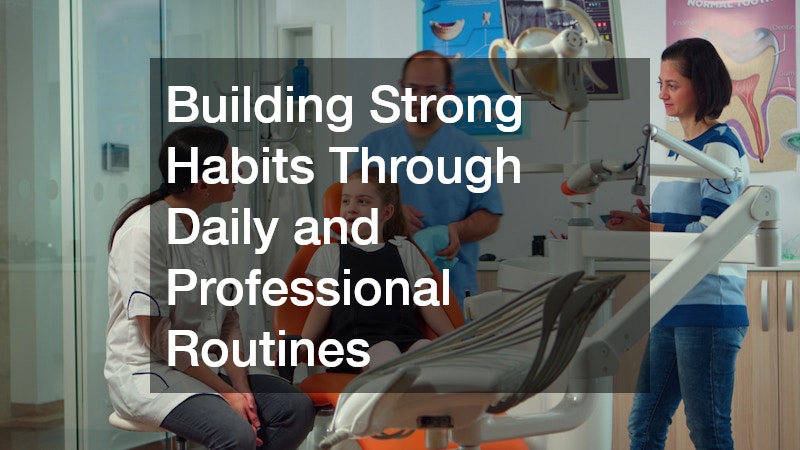
Preventive dental care forms the cornerstone of lifelong oral health. It includes both at-home practices and professional interventions designed to stop problems before they start.
Daily brushing and flossing remove plaque, while a balanced diet low in sugary snacks and drinks reduces acid attacks on enamel. Professional preventive measures add extra protection:
- Fluoride treatments strengthen enamel and reverse early decay.
- Dental sealants create a thin protective barrier on the chewing surfaces of molars, where cavities often begin.
- Regular cleanings remove hardened plaque (tartar) that brushing misses.
- X-rays (taken sparingly) monitor development beneath the gums.
These steps dramatically lower the risk of cavities and gum issues. Studies show that children who receive regular fluoride applications and sealants have significantly fewer restorations needed later.
Parents can reinforce prevention by modeling good habits, supervising brushing until around age eight, and scheduling consistent checkups. When prevention is prioritized, many children reach adulthood with minimal or no restorative work.
Restoring Small Smiles After Decay Appears
Even with excellent home care, cavities can sometimes develop in children’s teeth. When decay is caught early, dental fillings offer a straightforward way to stop progression and restore function.
Modern filling materials are tooth-colored composite resins that blend naturally with surrounding enamel. The procedure is quick: the dentist removes the decayed area, cleans the cavity, and places the filling material, which hardens under a special light. Numbing gel and local anesthetic keep discomfort minimal.
For more extensive decay that reaches deeper layers or compromises tooth structure, dental crowns provide durable protection. Stainless steel crowns are commonly used on baby molars because they are strong, cost-effective, and withstand heavy chewing forces. For front teeth or permanent molars, tooth-colored zirconia or porcelain-fused-to-metal crowns offer excellent aesthetics.
Crowns fully encase the remaining healthy tooth structure, preventing fracture and further decay. The process usually requires two visits: one to prepare the tooth and take impressions, and another to cement the permanent crown.
Both fillings and crowns allow children to eat, speak, and smile normally again. Early intervention preserves baby teeth until they naturally fall out, maintaining proper spacing for permanent teeth.
Managing Early Tooth Loss Thoughtfully
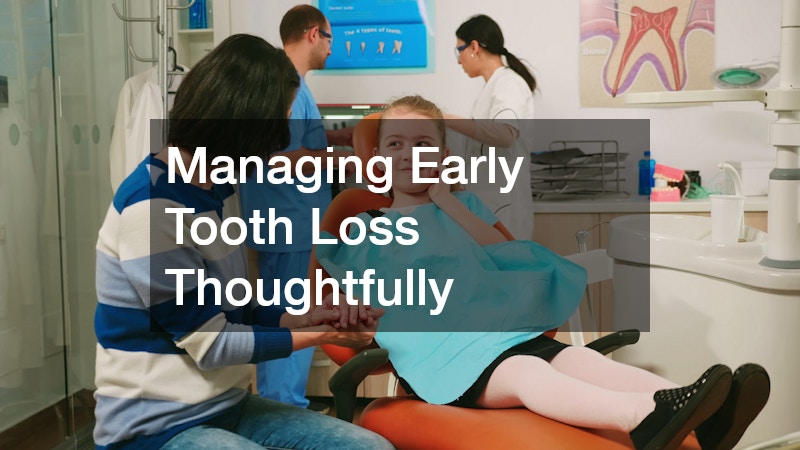
Sometimes baby teeth are lost prematurely due to severe decay, infection, or injury. In these cases, tooth extractions become necessary to protect surrounding tissues and prevent pain or spreading infection.
Pediatric extractions are performed gently, often with local anesthesia and nitrous oxide (laughing gas) for relaxation. The dentist explains each step in kid-friendly terms, and most children tolerate the procedure well.
After an extraction, space maintainers play a crucial role. These custom-made appliances hold open the gap left by the missing tooth so that permanent teeth can erupt in proper alignment.
Common types include:
- Band-and-loop maintainers for single-tooth spaces
- Lingual holding arches for multiple missing teeth on the lower arch
- Distal shoe appliances when a second baby molar is lost before the first permanent molar erupts
Without a space maintainer, adjacent teeth can drift into the open area, causing crowding or misalignment that may require future orthodontic correction. These devices are comfortable, easy to clean, and removed once the permanent tooth is ready to emerge.
Parents should watch for signs of infection before extraction (swelling, persistent pain, fever) and follow post-procedure instructions carefully—soft foods, gentle rinsing, and pain management as needed.
Planning Ahead for Straight, Confident Smiles
Many children benefit from early evaluation for orthodontic treatment, including braces and other alignment interventions. While full comprehensive treatment with braces typically begins between ages 10 and 14 when most permanent teeth have erupted, initial orthodontic assessments are recommended as early as age seven. At this stage, pediatric dentists or orthodontists can identify emerging problems while the jaw is still growing and more adaptable to guidance.
Today’s orthodontic options extend far beyond traditional metal brackets and wires. Clear ceramic brackets offer a subtler appearance by blending with tooth color, while lingual braces are placed on the back surfaces of teeth for near-invisibility from the front. Removable clear aligner systems, such as Invisalign Teen, provide another discreet choice that allows easier eating and cleaning, though they require strong patient compliance to wear them the recommended 20–22 hours per day. Treatment duration varies widely—from as little as 12 months for minor corrections to 24–36 months for more complex cases involving significant crowding, spacing, or jaw discrepancies.
Early intervention, often referred to as Phase I treatment, targets specific developmental issues before they become more severe. This might involve palatal expanders to widen a narrow upper jaw, partial braces to correct individual tooth positions, or functional appliances that encourage proper jaw alignment and discourage habits like thumb-sucking. By addressing these concerns during active growth periods, Phase I treatment can create a more favorable environment for permanent teeth, often shortening or simplifying later comprehensive treatment and sometimes eliminating the need for tooth extractions or surgery.
Well-timed orthodontic care delivers multiple long-term advantages. It improves bite function, distributing chewing forces more evenly to reduce excessive wear on certain teeth and lower the risk of jaw joint problems. Straighter teeth are easier to clean, which translates to better oral hygiene and a decreased likelihood of cavities and gum disease. Proper alignment can enhance facial symmetry, support healthy airway development (potentially reducing issues like sleep-disordered breathing), and, most importantly, boost a child’s self-confidence during critical social and emotional growth years when appearance often matters greatly.
Parents should be attentive to potential indicators that an orthodontic evaluation would be helpful. These include persistent difficulty biting or chewing food properly, habitual mouth breathing (especially during sleep), speech difficulties such as lisping or unclear pronunciation, and obvious misalignment, like crowded, protruding, or gapped teeth. Other red flags can involve early or late loss of baby teeth, jaws that shift sideways when closing, or cheeks that are frequently bitten during eating. An initial consultation is completely non-invasive and painless—typically involving photos, X-rays, and a clinical exam—and provides families with a clear, personalized roadmap outlining if and when treatment might be needed, along with estimated timelines and options.
Releasing Restrictions for Better Movement and Feeding
Some infants and children are born with tight or short frenula—the tissue connecting the tongue to the floor of the mouth or the upper lip to the gums. When these restrictions limit movement, pediatric frenectomies can provide significant relief.
The procedure is quick and can often be performed in the office with topical numbing or laser technology, which minimizes bleeding and promotes faster healing. For breastfeeding infants, releasing a tongue-tie or lip-tie often improves latch immediately, reducing pain for both baby and parent.
Older children may experience improved speech clarity, easier swallowing, or reduced gaps between front teeth after treatment. Signs that evaluation might be needed include difficulty lifting the tongue, persistent speech issues, or challenges with certain foods.
Recovery is typically straightforward: stretching exercises prevent reattachment, and most children resume normal activities quickly. Collaboration with lactation consultants, speech therapists, or myofunctional therapists often enhances outcomes.
Creating Calm and Comfortable Dental Experiences

Dental anxiety affects many children, making routine care challenging. A sedation dentist offers various levels of relaxation to ensure safe, stress-free visits.
Options include:
- Nitrous oxide (laughing gas)—mild relaxation with quick recovery
- Oral conscious sedation—medication taken by mouth for a deeper calm while remaining responsive
- IV sedation or general anesthesia—reserved for extensive treatment or extreme anxiety
These methods allow necessary care to be completed efficiently, preventing small issues from becoming larger ones. Safety protocols are rigorous: monitoring equipment tracks vital signs throughout, and recovery is supervised until the child is fully alert.
Parents can prepare children by using positive language (“we’re going to count your teeth and make them super strong”), choosing a provider experienced in child sedation, and scheduling appointments when the child is well-rested. Building gradual comfort over multiple visits often reduces the need for sedation over time.
Offering Inclusive Care for Every Child
Special needs dentistry addresses the unique oral health challenges faced by children with physical, developmental, intellectual, or medical conditions. These children may struggle to tolerate routine dental procedures due to sensory sensitivities, motor challenges, behavioral differences, or complex medical histories that require careful coordination.
Dentists who specialize in this area take a highly individualized approach, adapting every aspect of care to the child’s specific needs. Appointments can be extended to allow plenty of time for the child to adjust, or treatment may be broken into several shorter visits to prevent fatigue or overwhelm. Many practices use systematic desensitization techniques, gradually introducing dental tools, sounds, and sensations in a controlled, positive way—starting with simply sitting in the chair, then progressing to mirror exams, and eventually to more involved procedures.
Communication is tailored thoughtfully: some children respond well to visual schedules, picture cards, or social stories that explain what will happen; others benefit from sign language, augmented communication devices, or quiet, low-stimulation environments. When deeper relaxation is required for safe treatment, these providers work closely with anesthesiologists and the child’s medical team to manage medications, airway concerns, or seizure risks.
Children with special needs often face elevated cavity risk from factors like dry mouth caused by certain medications, difficulty brushing thoroughly due to limited dexterity, or diets heavy in soft, carbohydrate-rich foods chosen for easier chewing and swallowing. To address this, preventive plans are customized in detail—incorporating prescription-strength fluoride varnishes applied more frequently, silver diamine fluoride to arrest early decay non-invasively, or protective appliances designed to shield vulnerable areas.
Parents and caregivers are true partners in this process. The best providers listen attentively to family insights about what calms or triggers the child, involve caregivers in decision-making, and develop realistic home-care routines that fit the family’s daily realities. Establishing trust early—sometimes through “happy visits” with no treatment at all—creates a foundation that makes ongoing care possible and far less stressful, leading to better long-term oral health and overall well-being.
Bringing It All Together for Lifelong Healthy Smiles
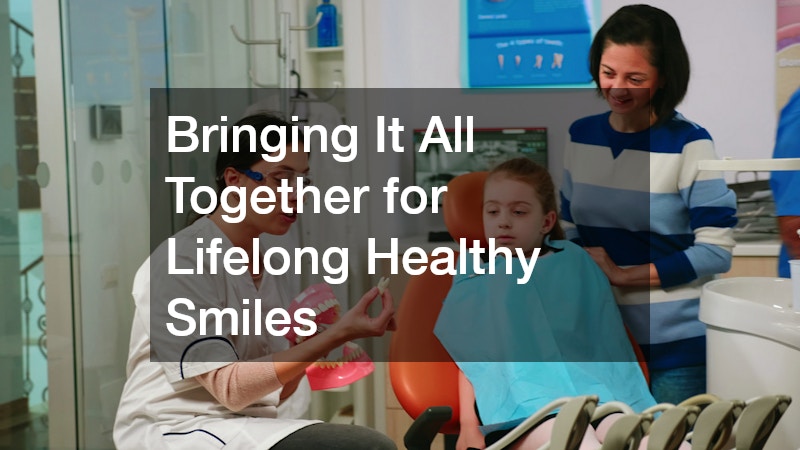
Your child’s dental journey is a partnership between home care, professional guidance, and timely interventions when needed. By starting early, prioritizing prevention, and choosing compassionate providers, parents lay the foundation for confident smiles that last a lifetime.
Every child is different—some sail through dental visits with ease, while others need extra support and patience. The key is consistency, positive experiences, and addressing concerns promptly. With today’s gentle techniques and advanced options, there’s no reason for children to fear dental care or suffer unnecessary discomfort. Celebrate small victories: the first successful brushing, a cavity-free checkup, or a new smile after treatment. These moments build confidence and healthy habits that extend far beyond childhood. Here’s to many years of bright, happy smiles ahead.