
Long-term oral health is not something that happens by accident. It is shaped by daily habits, early guidance, preventive care, and informed decisions made over many years. Families often focus on fixing issues when discomfort appears, but the most lasting results come from understanding how oral health evolves from childhood through adulthood.
This guide is designed to help families think long-term. It explains how early routines affect future outcomes, how prevention reduces the need for complex care later, and how oral health connects to overall wellness. By taking a proactive approach, families can avoid many common problems and build a foundation that supports healthy smiles for life.
Building Strong Oral Health Habits From Early Childhood
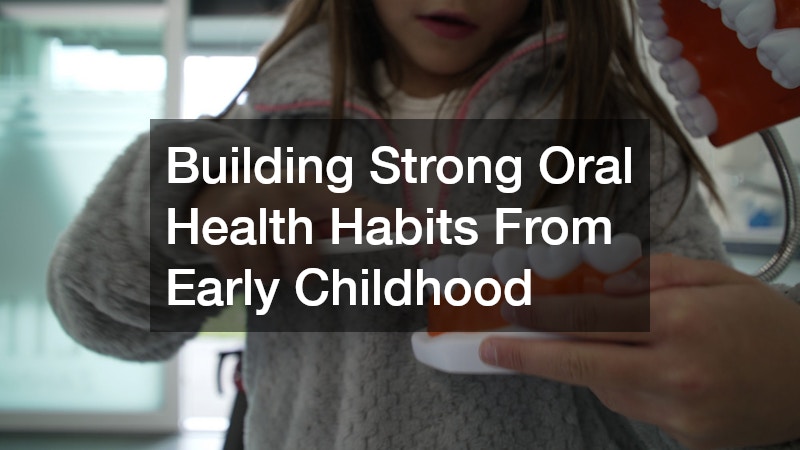
The habits formed in childhood often determine how oral health looks decades later. Early experiences shape how children view care, how comfortable they feel during visits, and how consistently they maintain routines at home.
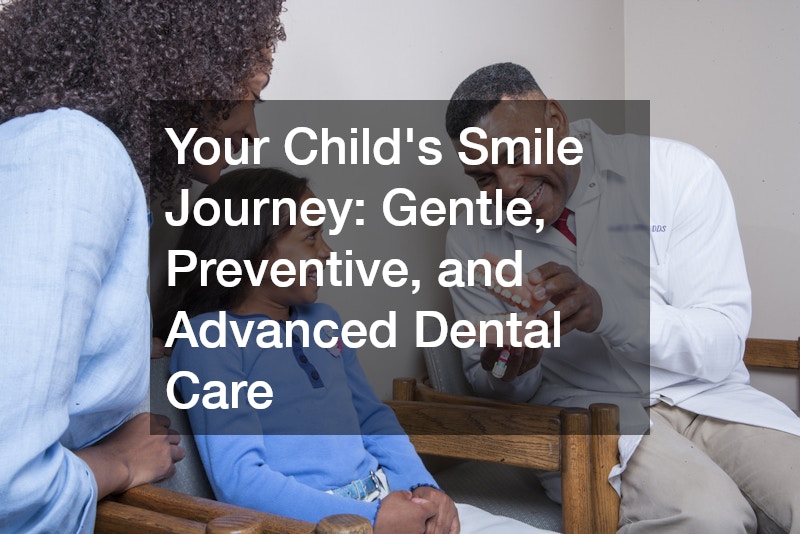
Working with a pediatric dentist early on allows parents to understand what healthy development looks like at each stage. These professionals monitor tooth eruption, jaw growth, and spacing, helping families spot potential issues before they become serious concerns.
An important part of this foundation includes regular pediatric dental cleanings. These visits do more than remove plaque, they help children learn what to expect, reduce anxiety, and reinforce the importance of daily care.
Actionable steps families can take include:
- Start brushing as soon as the first tooth appears using age-appropriate toothpaste
- Supervise brushing until children have the coordination to clean thoroughly
- Encourage flossing once teeth begin touching
- Schedule routine visits early to normalize preventive care
- Ask age-specific questions about thumb sucking, pacifiers, and diet
By focusing on consistency and education rather than fear or urgency, families can set children up for a lifetime of healthier habits and fewer complications.
Preventive care is one of the most effective ways to avoid pain, expense, and complex procedures later in life because it focuses on catching problems while they are still small and manageable. Many oral health conditions develop gradually, often without noticeable symptoms at first. Regular evaluations create opportunities to identify early warning signs, such as minor enamel wear, plaque buildup along the gumline, or subtle bite changes, before they escalate into issues that require extensive treatment.
A routine dental cleaning plays a central role in this process. Even with excellent brushing and flossing habits, plaque can harden into tartar in areas that are difficult to reach at home. Once tartar forms, it cannot be removed with a toothbrush alone. Over time, these deposits can irritate the gums, weaken enamel, and increase the risk of decay. Professional cleanings help reset the oral environment by thoroughly removing buildup and polishing the teeth, making it easier to maintain cleanliness between visits. They also provide a consistent baseline, allowing changes in oral health to be tracked over months and years.
Seeing the same dentist consistently adds another important layer of protection. Familiarity with a patient’s dental history, previous restorations, and risk factors allows for more personalized care. Small changes, such as early enamel breakdown, gum inflammation, or shifting teeth, are easier to recognize when there is a clear record of what is normal for that individual. This continuity supports timely recommendations that can often prevent the need for more invasive procedures later on.
To make preventive care more effective, families can take several practical steps:
- Maintain a regular visit schedule based on age and individual risk factors, rather than waiting for discomfort to appear
- Follow home care instructions tailored to specific needs, such as techniques for brushing sensitive areas or managing gum health
- Address sensitivity, bleeding, or discomfort promptly instead of assuming these symptoms will resolve on their own
- Keep records of past treatments and recommendations to support continuity of care over time
- Reinforce preventive habits at home between visits by making oral care part of daily routines
Prevention is not just about avoiding cavities. It is about preserving natural teeth, maintaining healthy gums, and protecting the structures that support long-term oral function. By committing to consistent preventive care, families reduce the likelihood of invasive treatment and create a more stable foundation for oral health that can last for decades.
Managing Dental Growth, Alignment, and Bite Issues Early
Alignment and bite issues can influence more than appearance. Crowded or misaligned teeth are harder to clean, increasing the risk of decay and gum problems over time. Bite imbalances may also contribute to jaw strain, uneven wear, and discomfort.
Monitoring growth early allows families to address these concerns before they worsen. In many cases, gradual adjustments during adolescence can reduce the need for more complex intervention later in life.
Invisalign has become a popular option for teens and adults because it supports alignment while allowing normal brushing and flossing. Its removable design can make it easier to maintain hygiene during treatment, which is especially important for long-term outcomes.
Helpful strategies include:
- Monitoring spacing and bite changes as children grow
- Addressing crowding before it affects cleaning ability
- Following care instructions carefully during alignment treatment
- Maintaining excellent hygiene throughout any correction process
- Wearing retainers as directed to preserve results
Proper alignment supports long-term oral health by making daily care more effective and reducing uneven stress on teeth and jaws.
Understanding Tooth Loss and Permanent Restoration Options
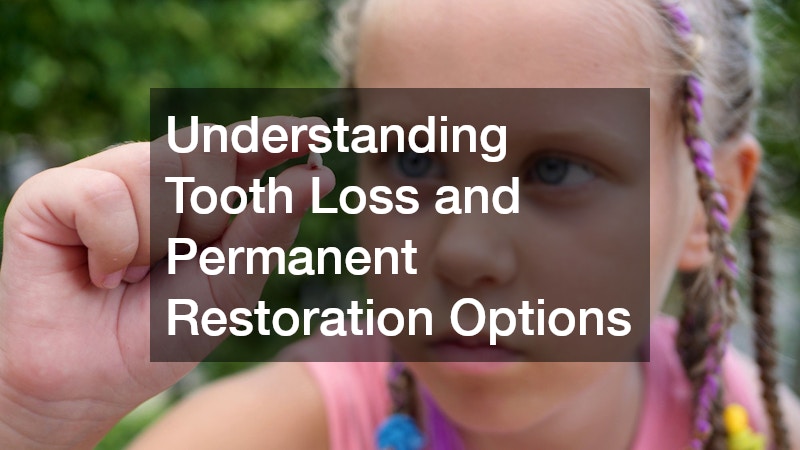
Tooth loss can occur at any stage of life due to injury, decay, or gum disease. When missing teeth are not replaced, surrounding structures may shift, leading to bite changes, bone loss, and additional complications.
Dental implants provide a long-term solution by replacing both the visible tooth and its root structure. This helps preserve bone density and maintain natural spacing, which supports overall oral stability.
Long-term success depends on planning and maintenance. Families should understand how lifestyle factors, hygiene, and routine monitoring affect outcomes.
Key considerations include:
- Replacing missing teeth promptly to avoid shifting
- Maintaining excellent oral hygiene around restorations
- Attending follow-up visits to monitor bone and gum health
- Avoiding habits that place excess force on restored areas
- Understanding how systemic health can influence healing
By addressing tooth loss thoughtfully, families can prevent cascading issues that affect function and comfort over time.
Oral Health’s Impact on Sleep, Breathing, and Overall Wellness
Oral structures play a significant role in breathing and sleep quality. Jaw position, airway space, and tongue posture can all influence nighttime breathing patterns, especially as children grow.
When breathing is disrupted during sleep, it may affect energy levels, focus, and long-term health. In some cases, dental evaluations help identify contributors to these problems.
Sleep apnea treatment may be recommended when oral or structural factors contribute to restricted airflow. Addressing these concerns early can improve sleep quality and reduce associated health risks.
Families should watch for signs such as:
- Chronic mouth breathing
- Snoring or restless sleep
- Morning headaches or fatigue
- Difficulty concentrating during the day
- Behavioral changes linked to poor rest
Understanding the connection between oral health and sleep empowers families to seek help before these issues impact overall well-being.
Preparing for Dental Emergencies in Children
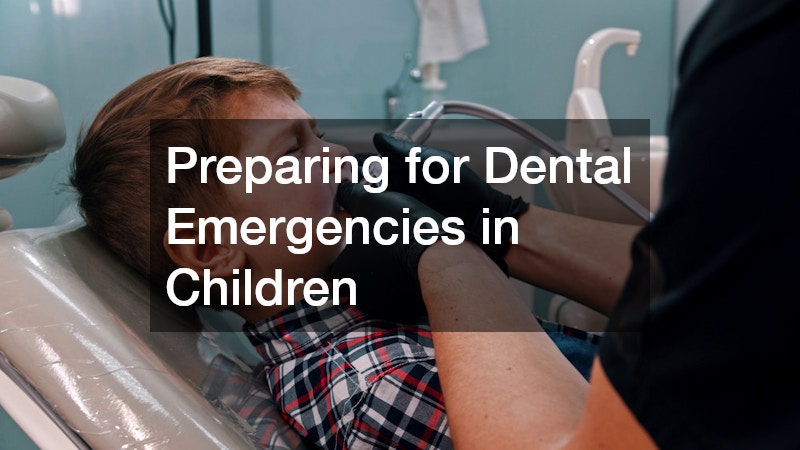
Accidents happen, especially during childhood, when play, sports, and everyday activities can quickly lead to unexpected injuries. Falls on playgrounds, collisions during sports, or sudden tooth pain can all require urgent attention. In these moments, knowing how to respond can significantly influence comfort, recovery time, and long-term oral health outcomes. A calm, informed reaction often prevents a temporary injury from becoming a lasting problem.
Having access to an emergency pediatric dentist ensures that children receive care specifically designed for their age and developmental stage during stressful situations. These professionals are trained to evaluate injuries in growing mouths, where developing teeth and jaw structures require careful handling. They also understand how to manage pain and trauma while minimizing fear, helping children feel safer and more cooperative during urgent care visits. This approach not only supports physical healing but also reduces the likelihood of long-term anxiety related to dental care.
Parents can prepare in advance by taking practical, proactive steps that make emergencies easier to manage:
- Learning basic first-aid steps for dental injuries, such as how to handle a knocked-out or chipped tooth safely
- Knowing when immediate care is necessary versus when an injury can be monitored temporarily
- Keeping emergency contact information accessible at home, at school, and during travel
- Using mouthguards during sports activities to reduce the risk of fractures or tooth displacement
- Addressing underlying issues that increase injury risk, such as untreated crowding or habits that weaken teeth
Preparation reduces panic in the moment and allows parents to act quickly and confidently. By planning ahead, families can protect their children’s comfort, limit complications, and support healthier long-term outcomes when dental emergencies occur.
Monitoring Oral Health Risks Unique to Children
Children face certain risks that require specialized monitoring because their mouths and bodies are still developing. Some conditions progress quietly, without obvious pain or visible symptoms, making them easy to overlook during everyday routines. Growth patterns, tissue changes, and developing immune systems all contribute to the need for careful, ongoing observation rather than relying solely on discomfort as a warning sign.
Pediatric oral cancer screenings are part of comprehensive evaluations designed to identify abnormalities at the earliest possible stage. While these conditions are uncommon in children, early detection plays a critical role in successful outcomes. Screenings typically involve visual and tactile checks of oral tissues, allowing subtle changes to be noted and monitored over time. For families, this proactive approach provides reassurance that potential concerns are being addressed before they escalate.
Parents can support effective monitoring by staying informed and taking an active role in their child’s care:
- Attending routine evaluations as recommended to ensure consistent observation of development
- Reporting unusual sores or swelling promptly, especially if they persist or worsen
- Asking questions about screening practices to better understand what is being evaluated
- Understanding family health history and sharing relevant information with care providers
- Encouraging open communication about discomfort so children feel comfortable speaking up
Early awareness allows families to respond quickly and thoughtfully when something seems out of the ordinary. By combining routine monitoring with open communication, parents help create an environment where potential risks are addressed early, supporting healthier development and greater long-term confidence in their child’s oral health.
Choosing Ongoing Dental Care for the Entire Family
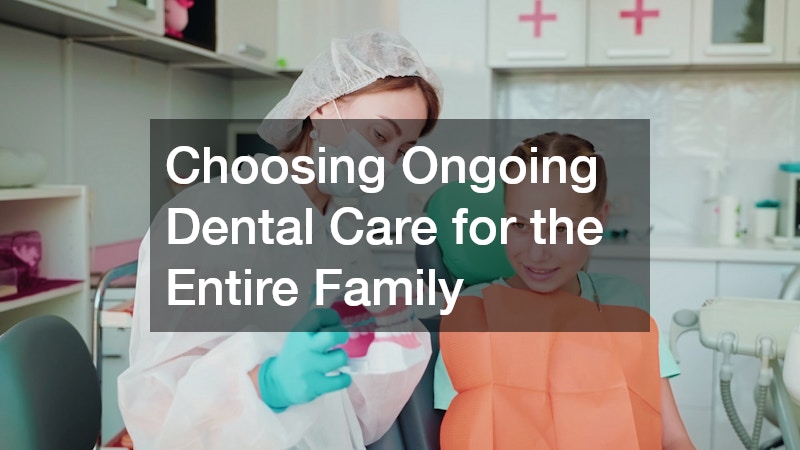
Consistency plays a major role in long-term success because oral health is not static, it changes as families grow, habits shift, and needs evolve. When families work with a local dentist over time, care becomes more personalized and preventive rather than reactive. Instead of responding only when discomfort arises, the focus stays on monitoring trends, managing risk factors, and maintaining stability across different life stages.
A long-term provider gains a deeper understanding of family history, lifestyle patterns, and individual preferences. This continuity allows care decisions to be guided by context rather than isolated symptoms. As children mature, their needs change, and as adults age, new considerations arise. Having a consistent provider helps ensure that recommendations remain aligned with each stage of life, reducing unnecessary treatment and supporting better long-term outcomes.
To build a strong care relationship, families can take intentional steps that reinforce consistency and trust:
- Choose a provider focused on prevention and education, not just treatment
- Keep records and follow long-term recommendations to support continuity of care
- Schedule visits consistently for all family members, making oral health part of routine planning
- Address concerns early rather than delaying care until issues become disruptive
- Treat oral health as part of overall wellness planning, alongside nutrition and general health
A coordinated approach simplifies decision-making and encourages shared responsibility within the household. When oral care is managed consistently, healthy habits are easier to maintain, communication improves, and families are better equipped to support oral health across generations.
Long-term oral health is built through informed choices, consistent habits, and early attention to change. Families who prioritize prevention, education, and continuity are better positioned to avoid unnecessary discomfort, reduce long-term costs, and minimize the stress that often comes with unexpected dental problems. Small, repeated actions, such as maintaining routines, keeping appointments, and responding promptly to concerns, tend to have a far greater impact over time than reactive, last-minute care.
Understanding how oral health evolves across different stages of life allows families to make decisions with the future in mind rather than focusing only on immediate needs. Early habits influence adult outcomes, and proactive care helps preserve natural function, appearance, and confidence as years go by. When families take a long-term perspective, oral health becomes less about fixing problems and more about sustaining wellness.
By staying engaged, asking questions, and treating oral care as an ongoing part of overall health, families can create a stable foundation that supports comfort, confidence, and quality of life well into the future.